Nutrition
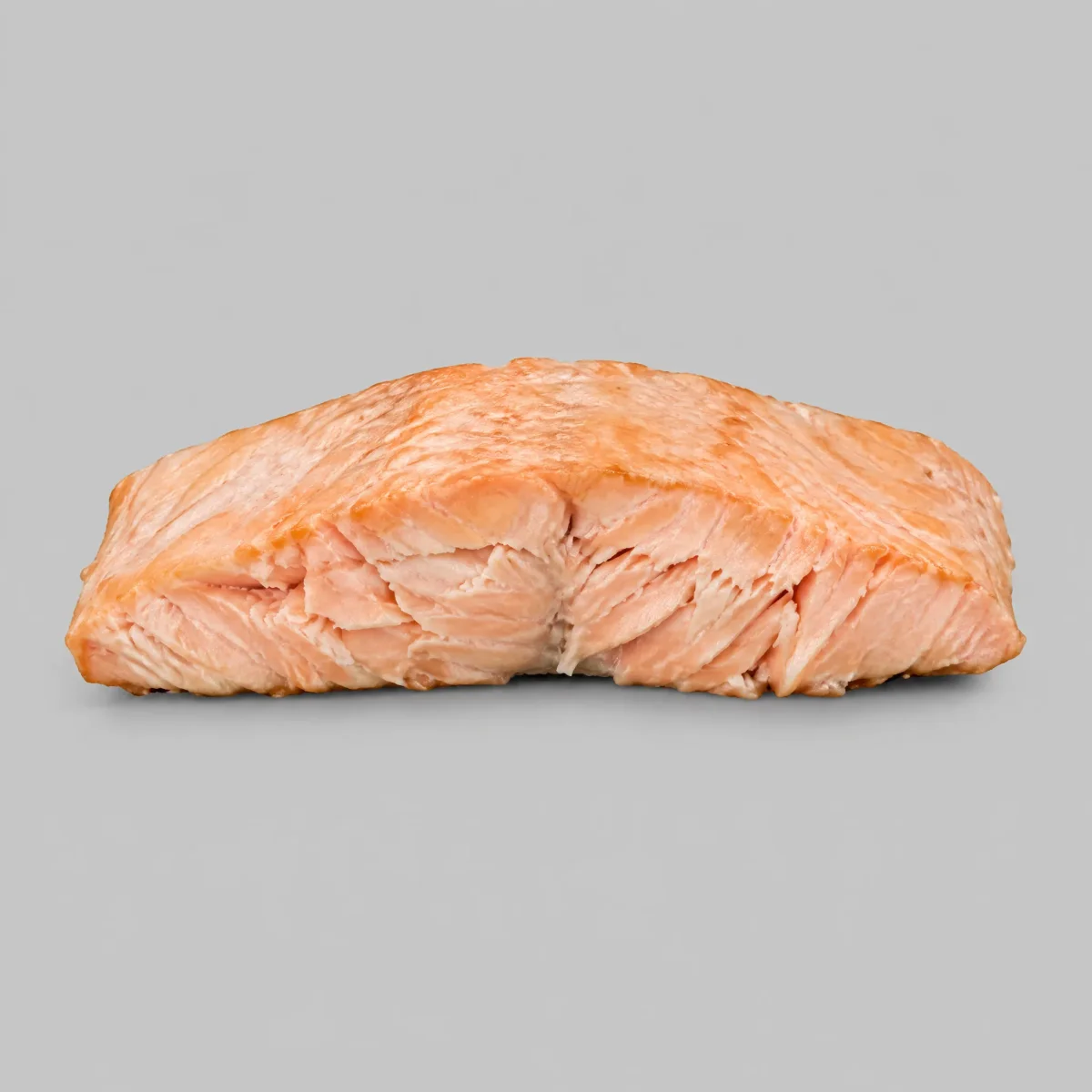
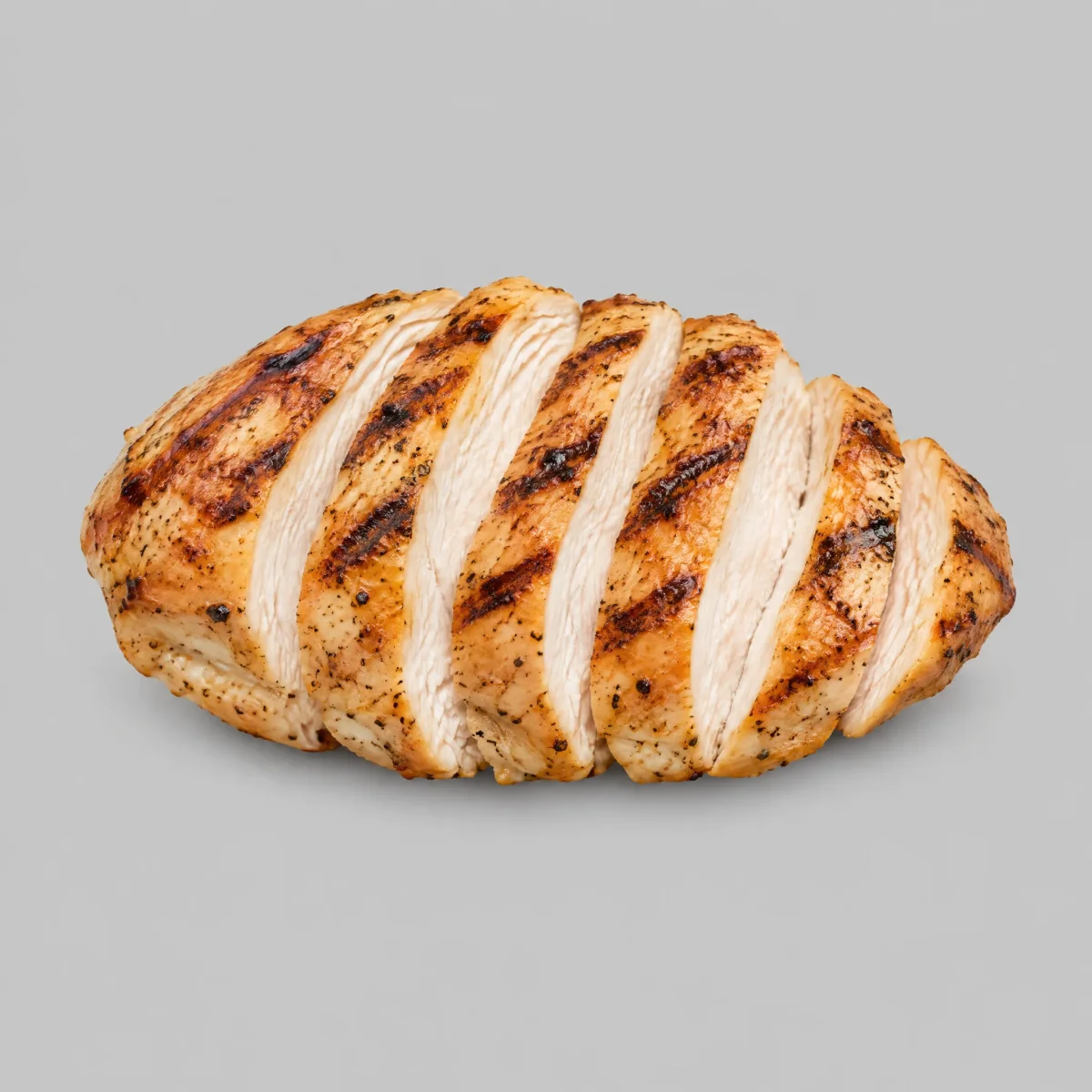
Salmon and Chicken Breast
Put two foods side by side; see their calorie, macro and micro differences visually and learn which to choose when.
- 549
- foods in the library
- 4
- ready-made comparisons
Measure
Macro breakdown
Where Does the Energy Come From?
Each gram of protein and carbohydrate counts as 4 kcal and each gram of fat as 9 kcal; the shares come from this approximate calculation.
Salmon
per 100 g
- Protein
- 22.1 g%44
- Carbohydrate
- 0 g%0
- Fat
- 12.4 g%56
- Fibre
- 0 g
Chicken Breast
per 100 g
- Protein
- 30.5 g%81
- Carbohydrate
- 0 g%0
- Fat
- 3.2 g%19
- Fibre
- 0 g
Values Side by Side
In each row the longer bar is the food with the higher value.
SalmonChicken Breast
Calories206 kcal
151 kcal
Protein22.1 g
30.5 g
Total fat12.4 g
3.2 g
Carbohydrate0 g
0 g
Fibre0 g
0 g
Standout differences
What Sets Them Apart
The clearest differences when compared on the same measure.
Chicken Breast
Higher in protein
38% more
Salmon22.1 g
Chicken Breast30.5 g
Detailed table
All Values
Every recorded value, vitamins and minerals included. A value with no record is left blank, not estimated.
Nutritional Values
Compared per 100 g.
| Nutrient | Salmon | Chicken Breast | Ahead |
|---|---|---|---|
| Calories | 206 kcal | 151 kcal | – |
| Protein | 22.1 g | 30.5 g | Chicken Breast |
| Total fat | 12.4 g | 3.2 g | – |
| Carbohydrate (including fibre) | 0 g | 0 g | – |
| Fibre | 0 g | 0 g | same |
Choice guide
Which One Should You Choose, and When?
Derived by rules from the differences in the table. Talk to your dietitian about your own situation.
Choose Chicken Breast
- When you want fewer calories from the same amount
- When you want to raise the protein in your meal
Badges and suggestions are derived by rules from the recorded values in the table. A value with no record is not ranked and not estimated.
Omega-3 is not a separate nutrient in this data set, so salmon's fat quality does not show in the table.
Nutrients with no data in either record: Iron, Calcium, Magnesium, Potassium, Sodium, Zinc, Phosphorus, Vitamin A, Vitamin C, Vitamin D, Vitamin B12, Folate, Cholesterol.
Ready-made pairs
Ready-Made Comparisons
The pairs people ask about most.
The content on this page is for general information only; it does not replace medical diagnosis or treatment. A personalised nutrition plan can only be prepared by a licensed dietitian. If pregnancy, a chronic condition, regular medication use, child nutrition or a clinical condition applies, a doctor and dietitian check is required before starting a plan.
Scientific Sources →